
The Payoff Concept Teardown
The product Harley builds every day and has never sold
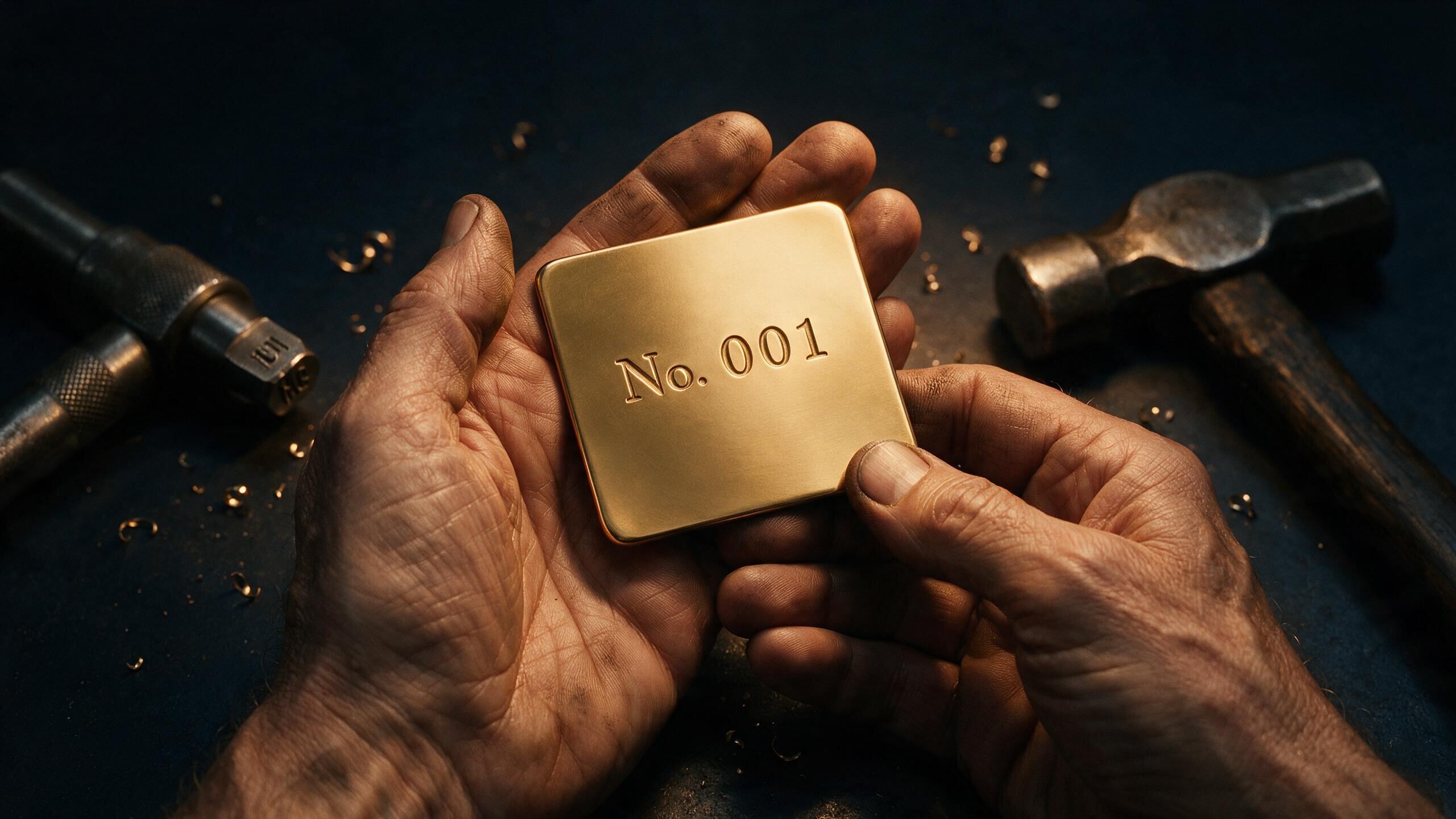
People paid GM $5,000 to build GM's product for them.
On GM's floor. Next to GM's union technicians. Assembling the engine that was already included in the price of the car. The Corvette Engine Build Experience ran through 2019, and in January GM announced it's bringing the program back for the new Z06 and ZR1. A company that shelved a program for six years and then re-ran the math and said yes has told you something: the demand was never the question.
Now reason backwards from that number. If one engine, no paint, no festival, cleared at $5,000, what does the whole motorcycle clear at, at a brand people tattoo on their arms?
Nobody knows. That's the interesting part. Harley-Davidson has never asked.
Here's the company today, from its own filings. Revenue of about $4.5 billion in 2025, down 14 percent. The motorcycle segment itself lost $29 million. Around 132,000 bikes retailed worldwide. The company puts its average buyer around 45, and the press writes up the graying rider base as a death sentence. Read it the other way: this is a customer base with money, time, and four decades of loyalty, running out of new things to buy from a company that mostly sells them the same object in new configurations.
And the company owns something no rival can match. Working American factories, staffed by about 1,700 union craftsmen, that its customers already treat as sacred ground. Harley runs a museum, throws anniversary festivals in its hometown (the next lands in 2028), and until it paused public tours at York it sold factory access too, including a paid Steel Toe Tour that put visitors on the production floor for about $38.
Read that price list again. Harley would sell you an hour behind the rope. It has never sold you an hour with a wrench in your hand.
So the idea: sell the line. A paid residency where an owner builds their own serialized motorcycle, hands on the wrenches, a craftsman beside them certifying and re-torquing every fastener, paint shop, serial number, an anniversary festival as the graduation stage. Deposits first. Sell before you build. If the waitlist is shallow, the price was wrong and you've lost almost nothing but the press release. If it's deep, you've found plausibly the highest-margin square feet in the company.
Why hasn't a competent management done this already? That question deserves a real answer, and here it is. A factory measures itself in units per hour and cost per unit. Under those metrics an hour of the line is a cost, always, and a visitor on the floor is friction. No plant manager on earth gets promoted for slowing the line down, so the demand to stand on it stays invisible, not because it's small but because nothing in the building is assigned to see it. The luxury houses that do see it, the watchmakers and the coachbuilders, don't have a mass cult. Harley has the cult and the plants in the same country, at scale, like no one else, and it only installed a CEO from the experience business, Topgolf's Artie Starrs, ten months ago. For decades this idea had no one whose job it was to think it.
The obvious objection is the six-year gap: GM shelved its program, so maybe the math never worked. But GM is bringing it back, which is the strongest possible answer, a second yes from the only company that has seen the books. And the harder objections, liability, warranty on a customer-torqued vehicle, union work rules for civilians on a live line, are solved problems too: GM put paying customers on its own union floor, certified the work, and warrantied the cars, and has now signed up to do it all again. The honest reading is that participation builds are halo programs. They don't move a $4.5 billion revenue line and they shouldn't pretend to. Directionally, several hundred builders a year at premiums above GM's old $5,000 price is a few million dollars of high-margin revenue annually, and could be several times that if the waitlist proves depth. That's a rounding error against the turnaround plan, and it's also the cheapest credibility the company can buy: union craftsmen paid a premium to teach instead of cut, owners who get the one thing money currently can't buy them, and a factory that becomes a reason to buy the bike.
I'll be straight about the diligence. The first idea I liked at Harley was bigger, a guaranteed-value financing product. It died in one search, because Harley already sells it. It's on their website. That's the discipline this kind of work needs: most good ideas about a company are already inside the company, and the job is finding the ones that aren't. The used-bike side has one of those too. Far more used Harleys likely change hands each year than new ones sell, and while Harley already finances some private-party sales, outside its own dealer lots no one attaches a fresh factory warranty to those handshakes. The only company on earth that could currently doesn't. That one's for another day.
For now, one question. If riders will pay just to stand on the factory floor, what would they pay to leave it with their own serial number and skinned knuckles?
Curious what your company is sitting on?
Reach out to Hello@pilottopayoff.com.
Get the next teardown in your inbox.
One company, one hidden business, every week.
Independent analysis and opinion, for informational purposes only. Not investment, financial, legal, or tax advice, and not a recommendation to buy, sell, or hold any security. Figures attributed to a company are drawn from its public disclosures; forward-looking estimates are directional opinions and may be materially wrong. The author holds no position in the companies discussed.